


Strategy
Report Stirs Controversy On Whether Brexit Will Benefit UK Economy
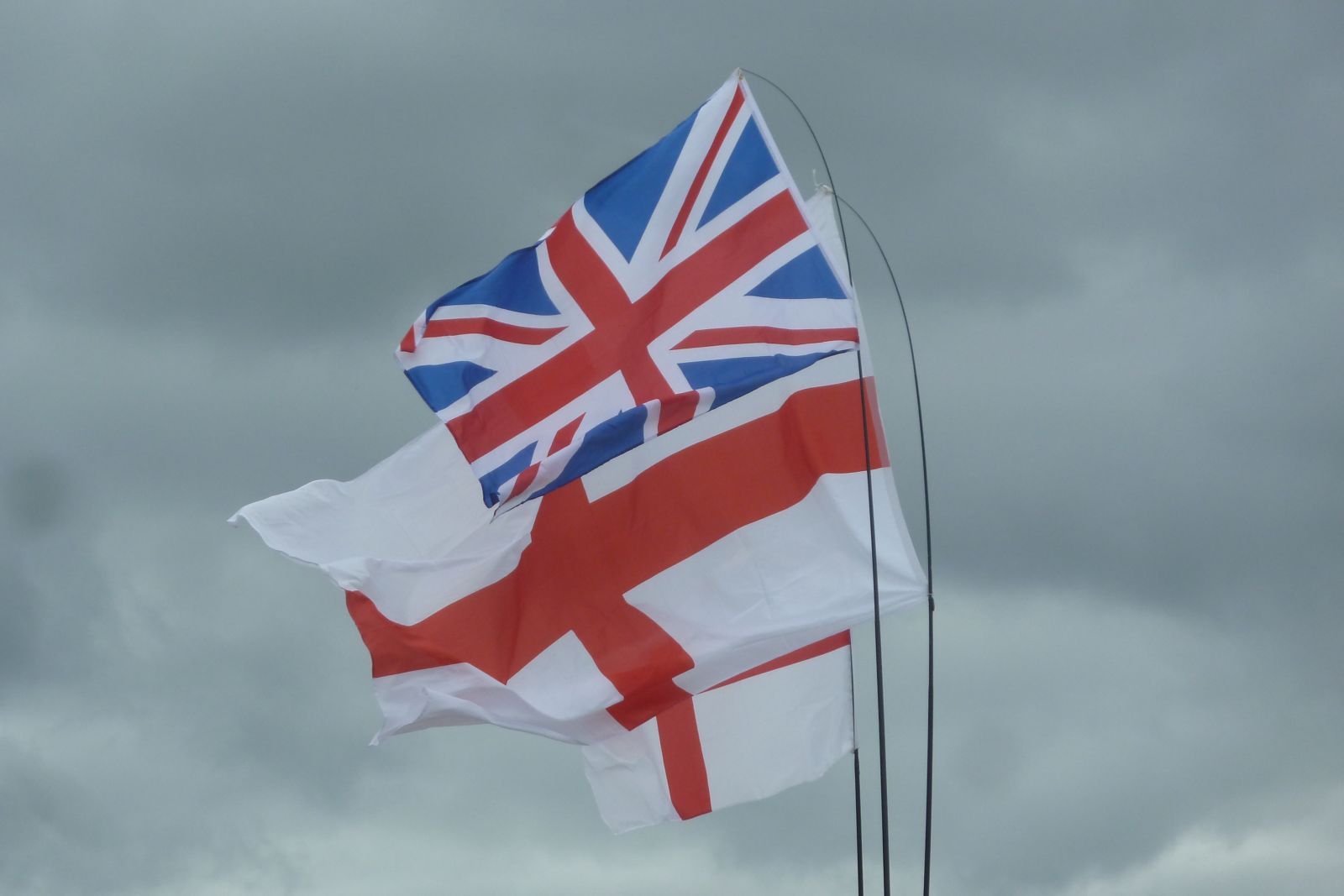
Analysis carried out by the UK government reportedly shows the UK will not benefit at all from any Brexit deal, although such claims have been dismissed.
Assessment analysis of Brexit carried out by the UK government
shows all sectors of the economy will be negatively impacted with
any deal made in the negotiations with the European Union,
according to BuzzFeed News.
The leaked papers were being prepared by officials across
Whitehall for the Department for Exiting the European Union, and
according to the newswire, are being presented to key ministers
in one-to-one meetings this week ahead of discussion at the
Brexit cabinet subcommittee next week. Other news service
referred to the documents as being embarrassing for advocates of
Brexit, although the arguments have also been contested.
The findings discussed by BuzzFeed says that almost
every sector of the economy included in the analysis would be
negatively impacted in all three scenarios, with chemicals,
clothing, manufacturing, food and drink, and cars and retail the
hardest hit.
It was also reported that every UK region would also be affected
negatively in all the modelled scenarios, with the North East,
the West Midlands, and Northern Ireland, before even considering
the possibility of a hard border, facing the biggest falls in
economic performance.
However, there is not all doom and gloom in the reports, the
analysis, reported by BuzzFeed, assumes in all scenarios
that a trade deal with the US will be concluded, and that it
would benefit GDP by about 0.2 per cent in the long
term.
Trade deals with other non-EU countries and blocs, such as China,
India, Australia, the Gulf countries, and the nations of
Southeast Asia would add, in total, a further 0.1 per cent to 0.4
percent to GDP over the long term.
A government source reportedly told the newswire: “As part of its
preparations for leaving the European Union, officials from
across Whitehall are undertaking a wide range of ongoing
analysis. An early draft of this next stage of analysis has
looked at different off-the-shelf arrangements that currently
exist as well as other external estimates. It does not, however,
set out or measure the details of our desired outcome – a new
deep and special partnership with the EU – or predict the
conclusions of the negotiations.”
They added: “It also contains a significant number of caveats and
is hugely dependent on a wide range of assumptions which
demonstrate that significantly more work needs to be carried out
to make use of this analysis and draw out conclusions.”
Negotiations between the UK and the EU will re-start soon, and UK
Prime Minister Theresa May is hoping she can get the best trade
deal possible, with the hope for it to include the financial
services sector. This publication has reported on various surveys
which have shown mixed messages about the outcomes of Brexit, and
its seems many are still guessing on the future of the UK. In
December, this publication reported
on two conflicting reports, one from EY, and one from Robert Half
Financial services.
There remains controversy over whether the UK's departure will, in net terms, be negative or positive for the UK economy. At the Institute of Economic Affairs, a UK think tank, was dismissive of the document.
"The leaks add very little to the debate and settle nothing at all. The report does at least appear to take account of some of the potential benefits of Brexit, such as the scope to do independent trade deals. This is a step in the right direction. It also presumably explains why the estimated long-term impacts on GDP are slightly smaller than those in the Treasury’s infamous report published shortly before the referendum," Julian Jessop, Chief Economist and Head of the Brexit Unit, said in a note.
“However, this analysis only looks at three ‘off the shelf’ options – essentially ‘Norway’, ‘Canada’ or ‘WTO rules’ – rather than the bespoke deal that the UK government is seeking. It therefore does not allow for the possibility of a streamlined customs agreement or a deal that covers financial services. The report also relies heavily on the same ‘gravity models’ of global trade, which many economists question. Plus, the WTO (or ‘no deal’) scenario appears to assume that the UK maintains a level playing field by imposing tariffs on imports from the EU, when in reality it could also do so by reducing tariffs on imports from the rest of the world," he continued.
“Overall, this report is not the game-changer that some would have us believe. It can be chucked on the same pile as the many previous studies that have used much the same assumptions and models to come up with much the same results," he added.