


Philanthropy
UK Donor-Advised Fund Makes First Major Grant, Highlights DAF Sector's Growth
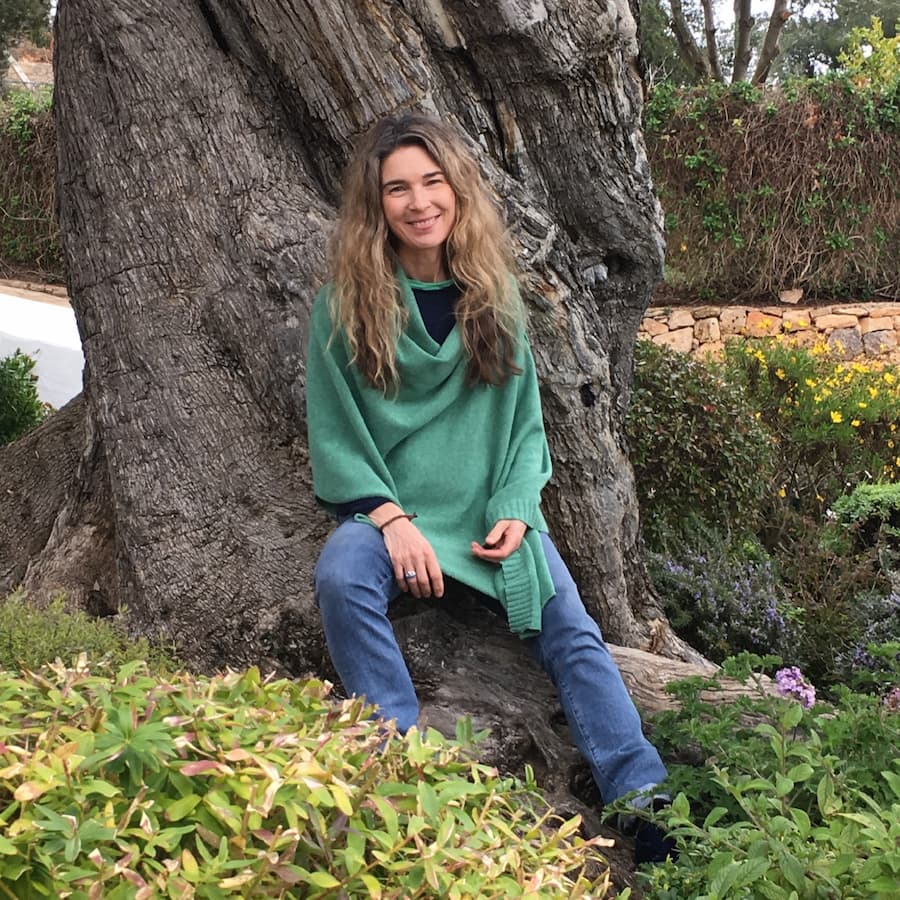
The grant from the donor-advised fund in the UK is an example of how the DAF model continues to evolve in the philanthropy space.
Family and friends of a campaigner, advocate and mother-of-three who died from bowel cancer in late 2019 are continuing her legacy after a donor-advised fund formed in her memory made its first significant philanthropic grant.
The Harriet Ryley Foundation – a donor-advised fund – was established in 2020 by Harriet’s family with a view to providing people in disadvantaged areas of Oxfordshire with the skills required to lead better lives. The DAF is managed by Oxfordshire Community Foundation (OCF), a registered charity with 34 DAFs on behalf of individuals and businesses in Oxfordshire.
More than £100,000 ($132,296) has been donated to the fund by Harriet’s family and friends since its launch. It has made a three-year investment of £75,000 to Oxford-based charity Peeple, OCF said. Harriet Ryley (main picture) died in December 2019, aged 58, from bowel cancer. Shortly thereafter, a DAF was formed in her memory. Her widower, John Ryley (pictured below), OBE, is a former senior Sky News journalist who retired in 2023.
.jpg)
John Ryley
DAFs have become a channel for charity in the UK; the market for these structures is also large in the US and provides an alternative to other entities such as private foundations. (For analysis about the advantages of each structure and limitations, see here.)
The OCF – founded 30 years ago – operates as a bespoke matchmaking and advisory service for high net worth individuals and businesses, helping them achieve their philanthropic aims.
“Establishing a charitable fund in her memory is our very personal way of ensuring her zest for life and determination to support others will continue,” Ryley said when asked about the foundation by WealthBriefing.
OCF also explained that as well as holding the funds donated by Ryley and his contacts, OCF helps him and his family define their philanthropic aspirations, then seeks out grantee organisations that fulfil these aspirations. For the grant to Peeple, OCF held a closed grants round, inviting six charities that met the criteria defined with the fundholder to make an application, and then supporting Ryley and his family to choose one of them.
“The service OCF offers is very personal and bespoke, based on long-term relationships. We get to know our DAF holders, some of whom have held a fund with us for over 20 years. We also work with their successors to understand what will happen to the fund after they pass away, and what they want their legacy to be (morally and emotionally as well as financially),” OCF told this publication.
“The service includes at least one annual meeting, usually in person; as many follow-up meetings that are needed to meet the needs of the fundholder; personal, 121 emails and phone calls with our staff; introductions to and visits to the charities funded where appropriate; an annual bespoke report giving fund statements, case studies of impact and organisational updates about OCF’s wider work; and invitations to at least three in-person events annually where fundholders come together with their peers and build a philanthropic community.”
“High net worth individuals and businesses are increasingly seeing philanthropy as something that should form part of their lives. This is partly for tax reasons, but it usually comes hand in hand with a genuine desire to do something positive and fulfilling for the world,” OCF continued.
“The act of philanthropy should be enjoyable and rewarding, and the DAF structure is a really efficient alternative to setting up a private charitable trust or foundation,” OCF said.” It allows philanthropists to focus on the interesting part (where the money goes and the impact it makes) rather than the more onerous bureaucratic sides of it (charity governance and reporting to the Charity Commission; implementing policies; financial controls) – they can leave the latter things to us, as we are already expert in them.”
(Editor's note: The article, as well as showing the practical ways that philanthropy plays out and the tools that people use, is also a reminder that the philanthropy topic is one that the WealthBriefing editorial team tracks throughout the year. For comments and suggested stories about this area, email the editors at tom.burroughes@wealthbriefing.com and amanda.cheesley@clearviewpublishing.com.)