


Alt Investments
Geopolitical, Economic Nerves Keep Gold Strong
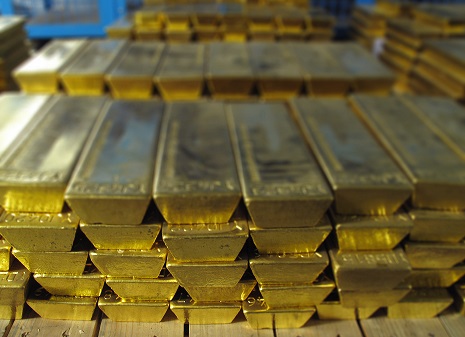
The rise in the price of gold – that most classic of safe-haven assets – continues. Brokers and wealth managers wrestle with the implications.
Gold’s surge in recent months, fuelled by concerns about
geopolitics and weaker US dollar, has continued, rising above
$5,000 per ounce. International tensions and macroeconomics
continue to drive the price and embed its role as portfolio
“insurance”. The performance of the metal is another
reminder why it retains status as portfolio insurance for high
net worth and ultra-HNW individuals.
Concerns about a clash between the US and Europe over a potential
American move to buy Greenland (currently an autonomous territory
of Denmark) appeared to have declined somewhat following the
World Economic Forum gathering of political and business leaders
in Davos, Switzerland, last week.
But while anxieties may have eased, the safe-haven
attractions of gold remain lustrous.
“While gold is up at a record high, the market does generally
feel slightly calmer than it did before WEF,” Lucy Smith,
investment manager at Killik & Co, the
stockbfroker and wealth manager, said in a note. “Investors were
relieved when [US President Donald] Trump – in his own signature
way – slowly stepped back from military action in Greenland, and
this directly correlated with defence funds, with iShares Global
Aerospace & Defence falling 3 per cent by the end of the week.
This money didn’t all flow back into equities, however, hence the
gold price rise.”
Smith said threats of US tariffs on Europe as part of Trump’s
stance is an “immediate and significant risk for investors.”
Longer term, she said, “investors will likely continue to
diversify away from US assets and the most obvious destination
for that cash is across the pond to Europe, or even away from
equities entirely to de-risk portfolios.”
“This movement of capital away from the US is likely to cause
damage in the States on the long term, but given the scale and
significance of the US economy, it’s unlikely to budge them as
the global hegemon. The biggest takeaway from all this is that
geopolitics will continue to define global markets,” Smith said.
If middle-rank countries push back against the US on trade and
foreign policy, it will make markets more volatile and will drive
gold higher.
Private banks, such as Switzerland’s Union
Bancaire Privée, have boosted allocations. As reported
here, Peter Kinsella, head of investment services UK at UBP,
said the bank had increased its exposure to gold to 7 per cent.
Fellow Geneva-headquartered bank Lombard Odier, for
instance, sees limited mining capacity pushing up gold prices in
2026, supporting its preference for the materials sector within
equities.
See more here. As reported
here, Daniel Casali, chief investment strategist at UK wealth
manager Evelyn
Partners, has argued that the surge in gold prices
demonstrates a “clear preference for security over
returns.”
Chris Beauchamp, chief market analyst at IG, the trading
platform, said that gold’s rise began because of central bank
buying, but it has become one of the “most spectacular momentum
trades of recent years, made all the more impressive as bitcoin
continues to struggle.”
“But with limited sources of fresh supply gold's scarcity means
it could go much further, even if some caution is required here –
it has been months since we saw any sustained losses for precious
metals, and the price continues to look vulnerable should upward
momentum falter,” Beachamp said.
Lale Akoner, global market analyst for eToro, a financial trading
business, said that gold is being increasingly used to hedge
equity risk, displacing the role that long-dated government bonds
used to perform. The old idea of bonds offsetting the performance
of stocks no longer applies.
“Historically, duration exposure helped cushion drawdowns in risk
assets. But recent episodes, where equities and long bonds have
sold off in tandem, have undermined confidence in bonds as a
reliable hedge at the very moments investors expect them to do
the heavy lifting,” Akoner said.
This publication recently interviewed John Reade, the senior
market strategist for Europe and Asia at the World Gold
Council, about
his views on what is driving the gold price.