


Strategy
Deutsche Bank Leans Into Latin American Wealth Story
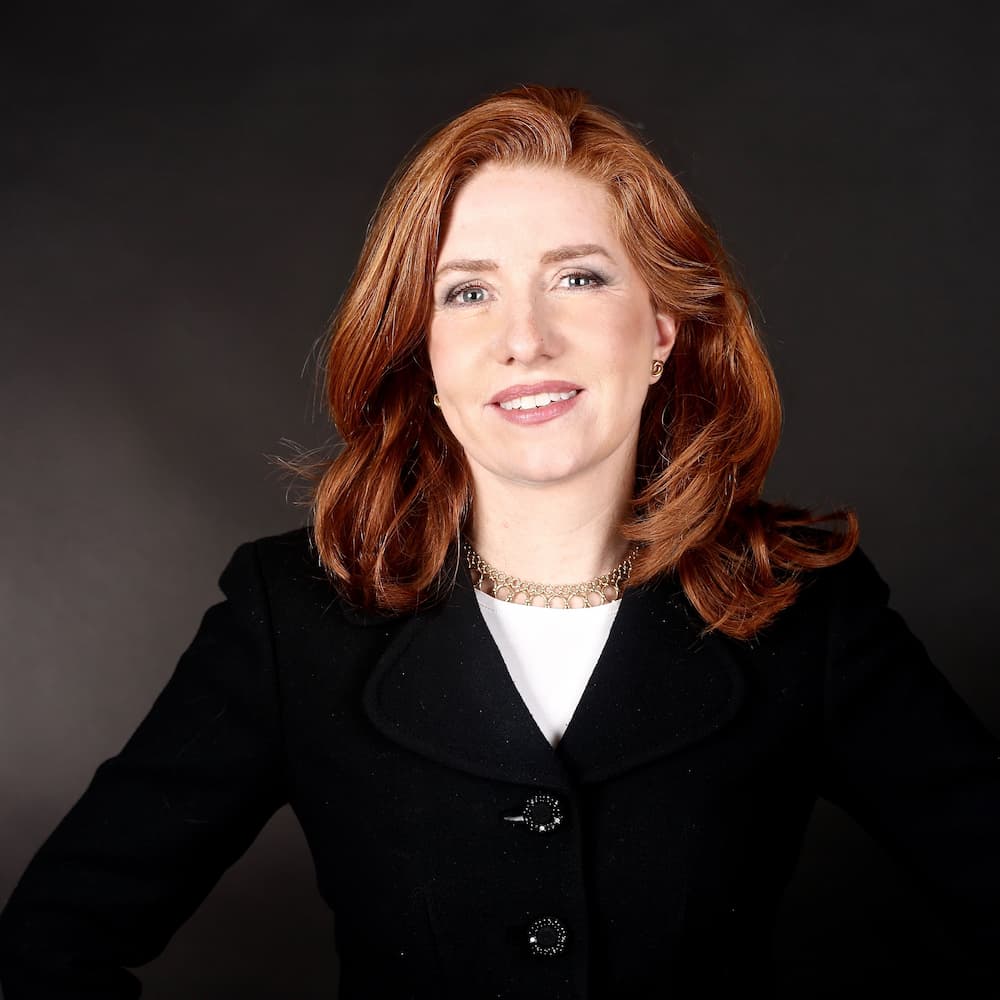
During a recent visit to Zurich, this news service's editor sat down with a senior figure at Deutsche Bank to ask about its approach to the Latin American market segment.
It might seem surprising at first glance, but there is a
decidedly Latin American strain in private banking in Switzerland
these days. While not a new phenomenon for those close to the
scene, the needs of HNW individuals in countries such as Brazil,
Chile and Mexico are often being met by those who ply a financial
trade in Zurich and Geneva.
There is a logic to this pattern. While secrecy no longer
covers cross-border clients using Swiss accounts (it does
for domestic Swiss citizens), the country’s famed reputation for
bank privacy is a draw for those used to living in countries with
slack governance and worries about physical security. There is
the safety and security of the Alpine state, allied to centuries
of banking savvy. And add in a desire by HNW clients to seek an
alternative to bank options in the US, it’s easy to see a pattern
emerging.
At Deutsche
Bank – Germany’s largest bank – the attractions of serving
LatAm clients via teams in Switzerland are clear (such
bankers are also able and willing to clock up air miles to visit
clients on the ground). And the Latin American client story is
all of a piece of an emerging market agenda that comes under
the purview of Arlene Schuchard Steffen (main picture), who is
head of Latin America Wealth Management, based in
Zurich. WealthBriefing recently spoke to her during
a trip to Zurich.
Frankfurt-listed Deutsche Bank serves clients in Brazil, Mexico,
the Central Andean and Southern Cone Region – comprising the
Central Andean nations of Argentina, Chile, Colombia, Peru and
Uruguay. The bank’s model serves clients via its offshore centres
in Switzerland and the US, while bankers visit clients on the
ground, she said.
“More and more, Latin American clients are spending time in
Europe. This is a good opportunity for a German bank – an
additional option for a LatAm family client that has business in
Europe. We are seeing more of the NextGen. In the past, they went
to the US and now they are coming more to Europe. We can cover
them in the US and Europe and can be agnostic [about] where they
are booked – it’s really what makes sense for the client,”
Schuchard Steffen said.
To illustrate trends, Paulo Corchaki was appointed head of Brazil
for the private bank, effective 1 November last year. Corchaki
previously served as CEO of UBS Wealth Management, Brazil. In
2017, he founded Trafalgar Investimentos, which was acquired by
Monte Bravo/XP last year. Earlier in his career, he served in CIO
roles at Itaú Bank and HSBC Brazil.
Deutsche operates 13 wealth management booking centres, of which
Zurich, Geneva, Miami and New York serve Latam clients.
The focus on Latin American clients is not peculiar to Deutsche
Bank. In July last year, Julius Baer, for
example, named a former Citi Private
Bank senior figure, Antonia Murga, as its new market head for
Latin America. She is based in Geneva and brought a team with her
from the US bank. UBS has a Latin American
business – taking on some clients via the Credit Suisse emergency
takeover of 2023. And, of course, there is a Brazil connection to
the Bank J Safra
Sarasin business, after the Brazil-Swiss Safra Group bought
Switzerland’s Sarasin from Rabobank in 2011.
It was hard for this news service to ignore a Latin
America-Europe nexus this week at the annual asset management
conference in Luxembourg organised by ALFI, the
funds industry association, aka Association
Luxembourgeoise des Fonds d'Investissement. Among those attending
(along with your correspondent) were managers from Chile,
talking about the opportunities for Chilean investors
to tap into Luxembourg’s UCITS funds industry. (A
decade ago, a similar narrative happened when Brazil loosened
cross-border investment rules, opening the way for international
options.)
The cross-border dimension is important for this part of Deutsche
Bank’s business. As well as serving clients remotely via
Switzerland, bankers must be willing and able to travel
frequently.
“Because we are a small but agile team, we need to be extremely
savvy and focused about how we cover these countries and
understand the complex cross-border needs of clients,”
Schuchard Steffen said.
Experience
Her experience comes from having worked for almost eight years at
Credit Suisse in Zurich after being partner at Finad (MFO) and
spending more than 12 years at UBS between Zurich, New York and
San Francisco. She joined Deutsche Bank in 2023.
The German bank has emerging markets in its sights. As reported
here, the private bank of Deutsche Bank is positive about
growth, looking at areas including Latin America, as well as
developing its business in Asia, Africa and the Middle
East.
Schuchard Steffen said the bank is in growth mode.
“We want to grow organically and by hiring new talent, focusing
on UHNW clients. We see that [segment] as one where our
institutional platform offers more value,” she said. “We are
growing and we are hiring – it is a good growth story.”
Overall results for the bank have been positive, giving
it confidence to spend strategically where it considers the
results to be worth the effort. In its fourth-quarter and
full-year 2025 financial results, Deutsche Bank said it logged a
fourth-quarter 2025 pre-tax profit of €2.027 billion ($2.38
billion), surging from €583 million a year earlier. On an
attributable basis, the figure was €1.298 billion, soaring from
€106 million. In 2025, the private bank made a pre-tax profit of
€2.3 billion, rising 95 per cent on a year before.
One big bank
This is a bank that is keen to stress the benefits of having
investment, corporate and private banking under one roof – a sort
of “one bank” model that is not always in fashion.
There are close links with the investment banking side of
Deutsche Bank, Schuchard Steffen said, tapping the “holistic”
needs for clients in gaining access to finance for their
companies, and not just because they need to manage private
wealth. A big area for Deutsche is also multi-generational
families and the needs that such families have.
“We are trying to be as close to our clients [as possible] to
help them navigate all this turmoil,” Schuchard Steffen
said.
A part of this approach, [the bank] has been building a
tailor-made approach to risk that clients appreciate, she said.
The bank’s proprietary Risk Return Engineering solution,
developed initially for German clients, is being rolled out
across the bank to help private clients manage risk. This is
obviously a highly relevant topic now amidst geopolitical turmoil
and conflict.
“For clients who have implemented it, it gives peace of mind,”
Schuchard Steffen said.
“For our clients it is important to have a trusted advisor to
help them navigate these times and we believe diversification is
important," she said.
“We are focused on the sophisticated needs of UHNW individuals
because this is where we can add the most value for our clients,
leveraging our institutional banking platform in capital markets,
bespoke structuring, and financing luxury assets,” she said. (See
more about the bank's approach to serving clients
here.)
Schuchard Steffen reiterated the bank’s focus on structured lending solutions, noting how much of this is led by Adam Russ, who joined Deutsche in 2021 from Goldman Sachs, who is now head of business and wealth management lending at Deutsche Bank Private Bank.
With lending solutions, AI might make some of the process easier “but you need a person who can talk about this and explain,” she added.