


Client Affairs
Wealth Managers Eye Interest Rate Cuts As UK Inflation Falls
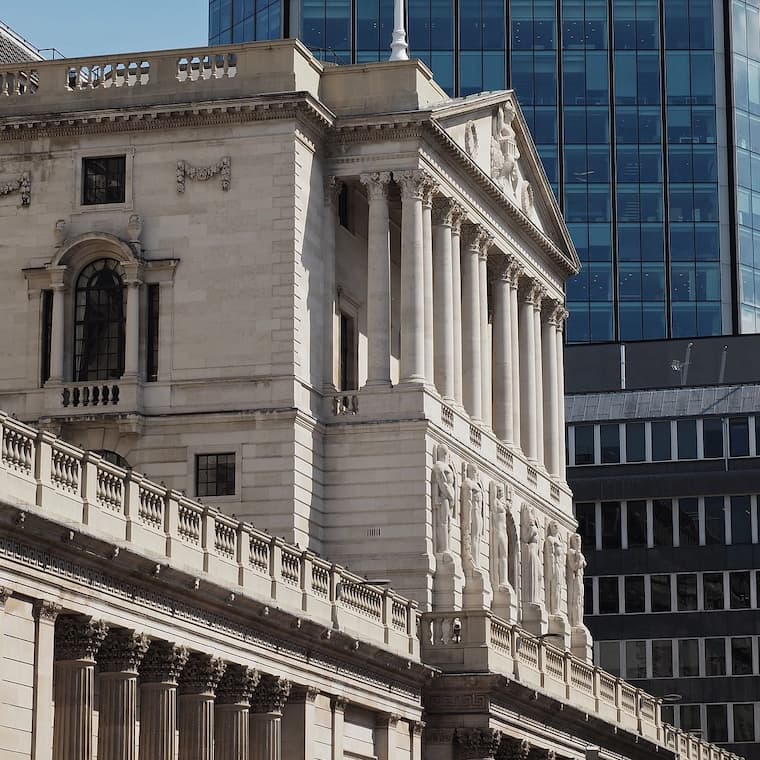
After the UK rate of inflation fell in January, as expected, wealth managers react on the impact and the likelihood of a further interest rate cut.
The UK’s consumer price index (CPI) fell to 3 per cent in the 12 months to January, down from 3.4 per cent in December, due to falling prices for food, fuel and airfares, according to the latest figures from the Office for National Statistics.
The biggest contribution to lowering prices came from transport, food and non-alcoholic beverages. Core CPI – CPI excluding energy, food, alcohol and tobacco – rose by 3.1 per cent in the 12 months to January, down from 3.2 per cent in December.
Although it is still above the Bank of England’s 2 per cent target, the figures raise the possibility of further interest rate cuts this year. Here are some reactions to the news from investment managers.
Jonathan Moyes, head of investment research, Wealth Club
"Inflation took a step lower today, but fell short of breaking into the 2 per cent range. We are going to be hearing a lot about base effects this year. Big inflationary spikes from energy, employers’ National Insurance, and the private school fee VAT hike from earlier in 2025 that should roll out of the 12-month window for inflation as we move through 2026. This will have a cooling effect on inflation, and we should see inflation fall back to 2 per cent this year. On the back of weak employment and wage growth data from yesterday, there would have been many revising their expectations for inflation overnight. Instead, inflation came in bang in line with expectations. The market reaction is expected to be muted as a result.
“What does all this mean for the Bank of England? The next meeting is on 19 March. With a deteriorating labour market, weak wages, weak economic growth, and no ugly surprises on inflation, it is likely that we will see our first rate cut of 2026. The economy may need several more before it begins to show signs of life. For an embattled government starved of good news, they couldn’t come soon enough.”
George Lagarias, chief economist at Forvis Mazars
“Gravity is finally settling in. An economy of sluggish growth, climbing unemployment and softer wage growth, in the eye of a global trade disruption, has absolutely zero reason to be consistently inflationary. The Bank of England still waited for proof and now it has it. We would expect to see faster rate cuts going forward from this point on.”
Luke Bartholomew, deputy chief economist at Aberdeen
“The drop in inflation back to 3 per cent should clear the way for the Bank of England to cut interest rates in March. Granted services inflation was a tad stronger than expected, and this does play an important role in the Bank’s thinking. But with the labour market data pointing to ongoing weakness in employment and a further softening in pay growth, most policymakers are likely to look through any short run stickiness in the services data. Indeed, inflation is set to fall further in coming months, falling back to 2 per cent in the near future, which should open up more rate cuts later this year.”
Daniel Austin, CEO and co-founder at ASK Partners
“UK inflation easing back to 3 per cent is a significant step in the right direction, but it doesn’t materially change the “higher for longer” backdrop facing households and property markets. The broader disinflation trend remains intact, yet the journey back to target is unlikely to be linear, which continues to keep confidence fragile among buyers and developers. Mortgage pricing has improved and recent rate cuts are welcome, but it will take time for any meaningful reduction in monthly costs to filter through.
“In property, this is unlikely to shift the entrenched wait-and-see mindset in the mainstream market. Capital will continue to favour structurally resilient, income-led sectors such as build-to-rent, co-living, logistics, self-storage and data centres, where chronic undersupply underpins demand. A clearer, sustained downward path for inflation and rates would be the real catalyst for unlocking stalled projects. Until then, disciplined, income-focused and debt strategies remain a pragmatic way for investors to stay active while carefully managing downside risk.”
Scott Gardner, investment strategist at JP Morgan Personal Investing
“Inflation fell sharply in January, providing some relief to UK consumers at the start of the year. Prices are clearly moving in the right direction, with closely watched core and services inflation continuing their downward trend from previous months. Behind the headline figure, motorists were helped as petrol pump prices continued to decline in January to their lowest level since summer 2021. Food inflation also fell after the Christmas period but is still a key area to watch in 2026 as it accounts for a large part of the UK’s everyday spending. Industry barometers suggest that weekly supermarket shops are still elevated with fresh produce prices rising over the month. In theory, this fall in inflation could signal a rate cut from the Bank of England at its March meeting barring any surprises between now and then. The progress made on the inflation front over recent months and clear cooling in the jobs market could encourage policymakers to cut interest rates for a seventh quarter in a row. With that said, the Bank of England will remain vigilant as services inflation remains elevated."
Daniela Hathorn, senior market analyst at Capital.com
“This slowdown indicates that disinflation is re-establishing itself after a brief uptick late last year. Price growth is still above the Bank of England’s 2 per cent target, but the trend is clearly downward. Combined with other weak indicators, such as slowing wage growth, rising unemployment and very modest GDP growth, the data paints a picture of an economy that is cooling. That pressures household real incomes less than before but also highlights ongoing economic slack. For the Bank of England, falling inflation strengthens the case for monetary easing. This data has strengthened the case for rate cuts ever further, with markets now pricing in a 77 per cent chance of a cut at the next meeting in March, reflecting the combination of softer inflation, a weakening jobs market and little sign of imminent price pressures.”
Isabel Albarran, investment officer at TrinityBridge
“The cooling of the inflation print to 3 per cent provides another reason for the BoE to cut rates. While June had been priced in by the market, March or April now looks likely. Admittedly, the headline print was primarily brought down by volatile items such as airfares, food, and fuel but, crucially for the monetary policy committee (MPC), services also cooled. Coupled with the softer labour market print, we expect to see more MPC members supporting a cut in March.”
Adam Hoyes, senior asset allocation analyst at UK wealth manager Rathbones
“The big drop in headline UK inflation in January is a welcome development, but under the hood the data wasn’t quite as convincing as hoped. Inflation is almost certain to fall back close to the 2 per cent target in the months ahead, but we have some lingering concerns about the persistence of price pressures in certain parts of the CPI basket. Headline UK CPI inflation met expectations by dropping sharply from 3.4 per cent in December to 3 per cent in January. Some of that was down to the energy component, with lower prices at the pump and lower gas bills. Food inflation fell too, with smaller price rises for bread, cereals, and meat. Core inflation, which strips out the two categories above, also slowed from 3.2 per cent to 3.1 per cent, though that wasn’t quite as much as had been expected. In turn, this was due to a smaller decline in services inflation than hoped – the component that has proven the stickiest in recent years and is arguably most influenced by domestic factors.
“To be sure, some easing in services inflation always looked likely. A spike in notoriously volatile flight prices in December was set to unwind, the impact of VAT being levied on school fees was due to wash out of the year-on-year comparison, and it was clear from newly agreed tenancies that rental inflation would continue on its downward path over the first half of the year. However, we have lingering concerns over the pace of disinflation in the rest of the services basket. For example, inflation rates for restaurants and hotels, recreational activities, and car insurance all reaccelerated in January. That was enough to drive our preferred measure of underlying services inflation (which ignores rents, volatile prices, and prices that are regulated or indexed to past inflation) higher, from 4.1 per cent in December to 4.3 per cent in January.
“It is still almost certain that headline CPI inflation will decline steeply to around the 2 per cent target by April. And the slowdown in pay growth confirmed yesterday should mean price pressures for labour-intensive services begin to ease soon too. So, we think the Bank of England is likely to deliver the two interest rate cuts priced into markets for this year. But unless underlying services inflation slows further, we won’t be fully convinced that headline inflation will remain at target sustainably.”
Lale Akoner, global market analyst at eToro
“January’s drop to 3 per cent looks encouraging, but the composition matters. Much of the cooling came from fuel, a volatile component, while services inflation remains elevated at 4.4 per cent. That suggests that domestic price pressures, especially wage-linked sectors, are easing only gradually. Overall, the print strengthens the case for a potential Bank of England rate cut at its March meeting, particularly after recent data showed softer wage growth and rising unemployment. However, policymakers remain divided, and sticky services inflation could keep the debate finely balanced. If inflation falls mainly on energy and base effects, the Bank of England may cut cautiously rather than aggressively. For retail investors, the implications matter. Rate cut expectations tend to support equities, particularly rate-sensitive sectors such as housebuilders and consumer discretionary. Lower yields can also weigh on sterling, which may benefit UK multinationals earning overseas revenues. On the other hand, savers could face declining returns if borrowing costs begin to fall.”