


Financial Results
UBS Q1 2026 Profits Surge, Reiterates Cost Impact Of Proposed Swiss Capital Hike
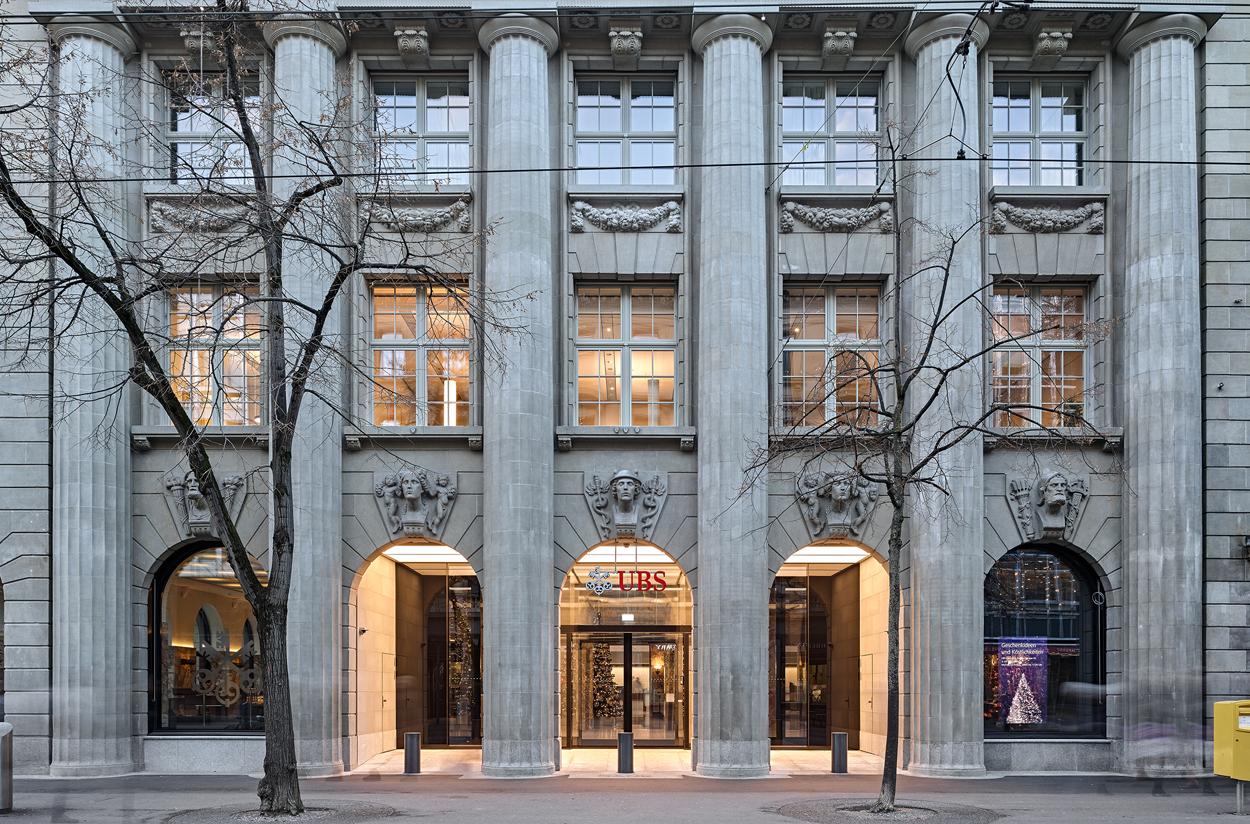
Reporting a large rise in profit and rising assets in its wealth business, the Zurich-headquartered group again set out the likely impact of proposed new capital rules from the government on its businesses.
UBS, which reported
first-quarter 2026 financial results today, said Swiss
legislative proposals to make it hold more capital means that it
will need to add a total of $37 billion of Common Equity Tier
capital. As
reported here, the Swiss government continues to demand that
the Zurich-listed lender fully capitalises its foreign
units.
Explaining the figure, UBS said an incremental requirement of $22
billion necessitated by government proposals comes in addition to
the $15 billion required because of its emergency takeover of
Credit Suisse three years ago.
The group has objected to the capital increase, arguing that this
will hurt its ability to compete against international peers.
Lawmakers in Berne, fearful of what might happen if UBS were to
be hit by some kind of financial crisis, have called for newer,
tougher capital rules.
In its results for the first three months of 2026,
UBS reported a profit before tax of $3.841 billion and an
underlying pre-tax profit of $3.990 billion, surging 80 per cent
year-on-year and 54 per cent, respectively.
At the end of March, UBS said its CET1 capital ratio – a standard
international measure of a bank’s shock absorber capital – stood
at 14.7 per cent.
“In the quarter, we also continued to execute our capital
distributions, having repurchased $900 million of shares and
accrued for a mid-teens growth in dividend. We are on track to
buy back $3 billion in shares by the time we report 2Q26 earnings
with an aim to do more by year-end, subject to our financial
performance and outlook, maintaining a CET1 capital ratio of
around 14 per cent at year-end, and visibility on parliamentary
deliberations on the treatment of foreign participations,” it
said.
Since the start of 2026, shares in UBS have fallen by about 12.8
per cent.
Wealth management
Global Wealth Management net new assets for the quarter reached
$37.4 billion, representing a 3.1 per cent annualised growth
rate, with positive flows across all regions, supported by strong
demand for our discretionary mandates. Group invested assets were
$6.9 trillion at the end of the quarter, with the effect of lower
markets and changes to foreign exchange rates only partly offset
by net asset inflows. Invested assets decreased sequentially by
$85 billion to $4.668 trillion.
Among other details, global wealth management total revenues rose
11 per cent year-on-year to $7.106 billion, driven by higher
recurring net fee income, transaction-based income and net
interest income, partly offset by lower other revenues, and
included a $40 million fall in purchase price allocation
(PPA) effects and other integration items.
Net credit loss expenses were $9 million, up slightly on a year
before; operating costs rose 5 per cent to $5.305
billion.
The cost/income ratio was 74.7 per cent, and 71.6 per cent on an
underlying basis.
CEO
“On the topic of Swiss capital requirements, we will continue to
engage constructively and contribute to fact-based deliberations.
These developments do not, and will not, change who we are as a
firm,” Sergio Ermotti, CEO, said in a statement. “We remain
committed to our diversified business model and our global and
regional footprint. We are fully committed to protecting our
shareholders while mitigating the impact of these increased
requirements, if possible, on our clients, employees and the
communities where we live and work.”
“We delivered excellent financial results and remain on track to
deliver on our financial objectives for 2026. Having now
successfully transferred all client accounts in Switzerland, we
achieved another crucial milestone in one of the most complex
integrations in banking history,” he added. “We are confident in
substantially completing the integration by year-end, positioning
us for further sustainable growth.”