


Compliance
Singapore Starts Revised Single-Family Office Framework
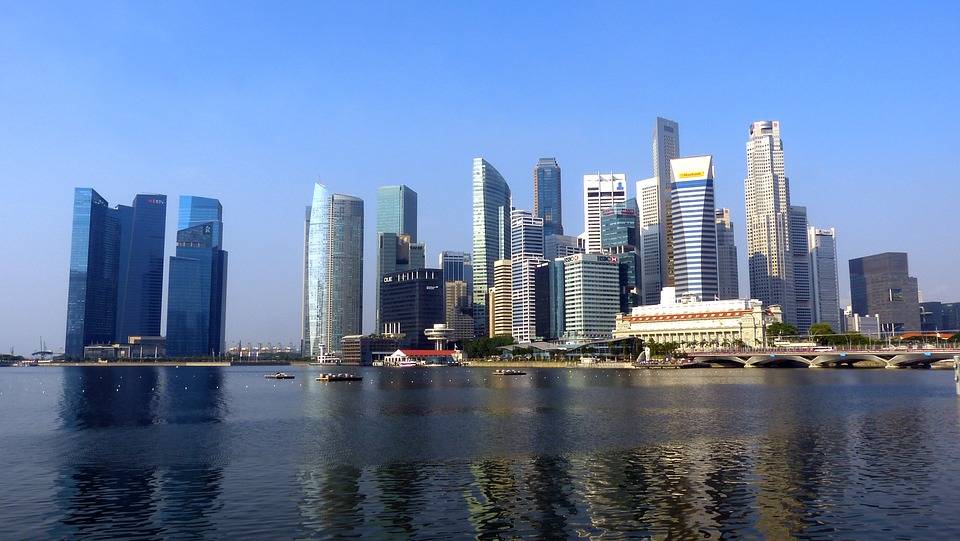
A new framework governing how SFOs are created and run kicked in at the start of this week.
Singapore’s central bank and principal regulator has gone live
with a new framework for single-family offices (SFOs) – a sector
that has grown rapidly in the Asian city-state, putting it in
competition with rival jurisdictions such as Hong Kong.
As announced late last week, the Monetary
Authority of Singapore said the revised SFO framework took
effect from yesterday.
The jurisdiction is reported to be home to about 2,000 SFOs,
reflecting its growth as a wealth management and private banking
hub in recent decades. Growth has brought challenges: Singapore
has sought to clarify and strengthen rules for SFOs, as reported
here.
Existing SFOs have a year to transition to the new rules, MAS
said in a statement.
“The revised framework provides a simple, streamlined process for
SFOs to establish operations in Singapore, whilst enhancing
overall monitoring of SFOs,” the authority said in a
statement.
“The framework is structure-agnostic, thereby facilitating a
straight through class exemption from licensing for all
qualifying SFOs operating in Singapore. SFOs that meet the
requirements need only notify MAS of their operations and
maintain an account with a MAS-licensed bank. They will also have
to file a straightforward annual return with information on the
total assets under management and the name of its bank,” it
said.
MAS said its framework revision came after it consulted the
sector and took policy responses on feedback it received in
November 2024. In parallel, since 2020, the jurisdiction has also
operated a variable capital company (VCC) regime to encourage
wealth management business.
In early 2024, WealthBriefing
spoke to law firm DLA Piper, which noted that as
Singapore’s compliance regime has tightened, it has also
increased the time taken to set up a new SFO. Singapore’s
requirement that SFOs, which benefit from certain tax incentives,
invest a portion of their assets into the jurisdiction also
creates work for advisors and enhances the positive spillovers to
the Singapore economy.