


Tax
Pension Pots Face UK Inheritance Hit: Advisors Say Preparations Essential
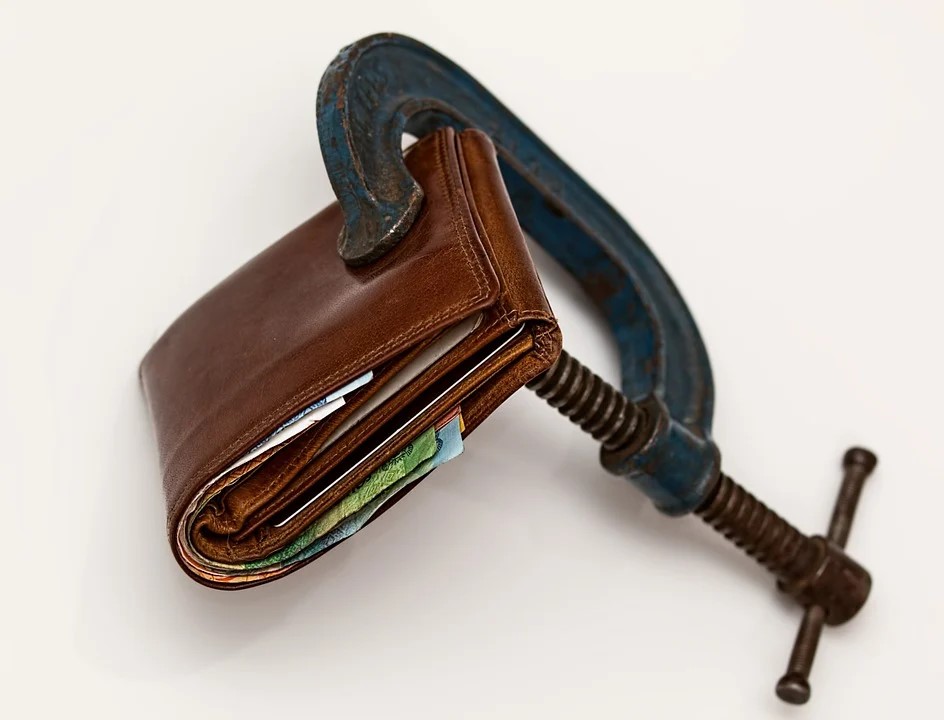
The IHT net is widening to include private pensions that are not yet used – and those who aren't married or in civil partnerships must guard against the risk of a tax bill at what is already an emotional time, advisors say.
Pensioners are increasingly asking for access to their pension
pots to sidestep inheritance tax being applied to unused
pension wealth from April next year, advisors say. For those who
aren’t married or in a civil partnership, there are risks.
From the start of April 2027, most unused pension wealth will
fall within the scope of inheritance tax, meaning that unused
pensions could face a 40 per cent IHT charge.
For unmarried couples, inheritance tax raids are particularly bad
news, even for younger couples, because unused allowances cannot
be transferred unless it is between spouses. The partner of a
working-age homeowner with an average-priced property and
moderate pension pot could face a heavy IHT bill, even if this is
before reaching pension age.
“Pensions are often the second biggest asset a couple owns, after
the family home, and as such can be key players in financial
planning. The changes will mean that unused pensions will now be
included under the scope of inheritance tax,” Ciara Pugh, partner
at Stowe
Family Law, said in a recent note.
“Unmarried couples may be more at risk financially as they
currently do not have the same tax relief as married couples.
Spouses, including those in a civil partnership, benefit from tax
exemptions, including inheritance tax. When the change to
inheritance tax is implemented, spouses will be exempt from the
tax upon the death of their legal partner, where unmarried
couples (cohabitees) may not be,” she
continued. “Unfortunately, many people still believe that by
virtue of living together they are entitled to the same financial
protections and legal rights as married couples. This is a
myth but remains pervasive under the guise of the ‘common law
marriage’.”
UK finance minister Rachel Reeves' move to add unused
private pensions to the tax net came alongside her widening IHT
to cover family-run businesses and farms. Inheritance tax is a
political flashpoint – defended as a necessary corrective to
wealth inequality, and damned as taxing wealth that has already
been taxed several times. The “nil-rate” band for IHT for an
individual is £325,000, and that figure has not changed for
several years. As a result, more people have been dragged into
the net, and the revenue haul has increased – which a debt-laden
government welcomes. IHT receipts for April 2025 to March 2026
were £8.5 billion, which is £200 million higher than the same
period last year, marking another record-breaking year for the
tax take.
The tax change means that unmarried couples and those who haven’t
formalised their relationships are vulnerable to a tax hit, Pugh
said.
“There are a couple of options available to unmarried HNWs. The
most obvious option is for couples to get married or enter a
civil partnership. This provides multiple tax planning benefits
including around pensions,” Pugh continued.
“Speaking to a financial planner is essential, as they will be
able to advise as to the best course of action, whether this is
through lifetime gifting to reduce the overall value of the
estate, or withdrawing pension funds before, or at the same time
as, other taxable assets,” she said.
Looming problem
Other advisors have warned of a looming problem if
potentially-affected citizens don’t prepare.
"The two most common mistakes I see are married couples assuming
all assets go to each other and non-married couples not
considering what will happen without a will, which can be a major
issue for women without any personal assets,” Rebecca Robertson,
independent financial advisor, planner and director at Evolution
Financial Planning, said. She said people make a series of
assumptions about what will happen with their assets
when they die.
"The majority of people like to hope for the best and, only when
they have to deal with a family's estate when someone has passed
away, do they realise the complexity of it all. One milestone
when people do recognise they need a will is when they have
children, but this is generally at a time when finances are
straightforward,” she said.
"Often over time the will becomes old and out of date. Again,
only years later when they are dealing with another family member
or they come across an issue, will they act. If they haven't,
they have missed an opportunity. This is going to be even more
important post-April 2027, when pensions become part of the
estate,” Robertson said.
In a note last week on the market data and information service Kalkin, it said UK families could "face long and unsettling delays" in trying to get hold of pension money left by a loved one. The article said that HMRC, the tax authority, has indicated that pension scheme administrators may be required to work with personal representatives to calculate and report any IHT due. This will add to the necessary steps before pension money can be released.