


Compliance
FATF Takes Monaco Off "Grey List"
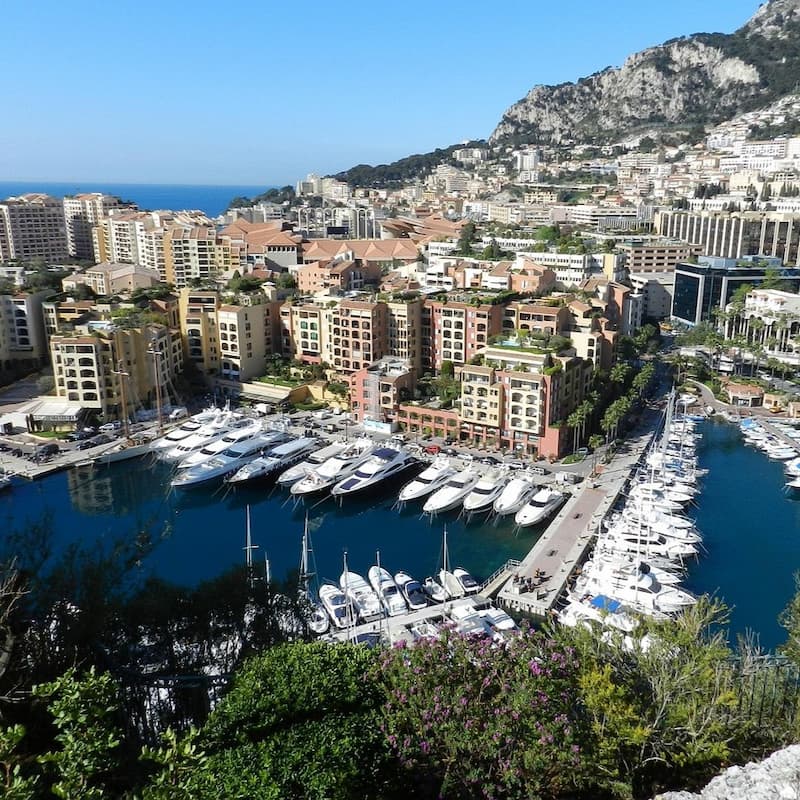
The removal of the financial centre from the list had been trailed in media reports in the summer. The change will cause a sigh of collective relief in the jurisdiction that is home to a number of private banks serving HNW and UHNW clients.
The European principality of Monaco has been taken off the “grey
list” of jurisdictions that had been put under heightened
scrutiny in June 2024 because of concerns about controls on dirty
money.
The Financial Action Task Force (FATF) Plenary, which met under
the UK Presidency, issued a report on Friday. The action had been
the subject of
media speculation in mid-September.
The intergovernmental organisation, which monitors governments’
controls of money laundering and terrorism finance, said it
welcomed “Monaco’s significant progress in improving its AML/CFT
regime.” The FATF said it had identified strategic
deficiencies in Monaco’s AML and CFT regime in 2024.
“Monaco should continue to work with MONEYVAL to sustain its
improvements in its AML/CFT system,” FATF said. (MONEYVAL is the
Council of Europe’s anti-money laundering and counter-terrorist
financing monitoring body.)
Other countries removed from the list were Bulgaria, Côte
d’Ivoire and the Democratic Republic of the Congo.
This news service has spoken to local banks in Monaco about the
possible removal of the tiny jurisdiction from the list. The
FATF’s move will be welcomed, clearing the way for more business
in the financial centre.
Banks in the principality include Barclays, CMB and Edmond de
Rothschild. Others include: CFM Indosuez Wealth Management;
Banque J Safra Sarasin; Crédit Mobilier de Monaco; Société
Générale Private Banking Monaco; BNP Paribas Wealth Management;
Rothschild & Co Wealth Management; Caisse d'Epargne Côte d'Azur;
Groupe BPCE; Banque Européenne du Crédit Mutuel; UBS Monaco;
Pictet; EFG Bank; Union Bancaire Privée; Bank Julius Baer; Banque
Havilland Monaco; Banque Richelieu; and Banca Popolare di
Sondrio.
Among other announcements late last week, the FATF said it has
agreed to speed up the implementation of standards on
virtual assets. The organisation said at its plenary meeting that
it “recognised the need to urgently strengthen countries’
defences against the rising threat posed by the misuse of virtual
assets for money laundering, terrorist financing and
proliferation financing.”
In its block of countries, deemed high risk, the FATF updated its
public statements on two of them, Myanmar and Iran, reinforcing
its call on Myanmar to address the extensive fraud and scam
activities emanating from the country, and the call on Iran to
criminalise terrorist financing and establish a targeted
financial sanctions regime in line with the FATF Standards.