


Investment Strategies
EU Tightens Sanctions On Russia – Reactions
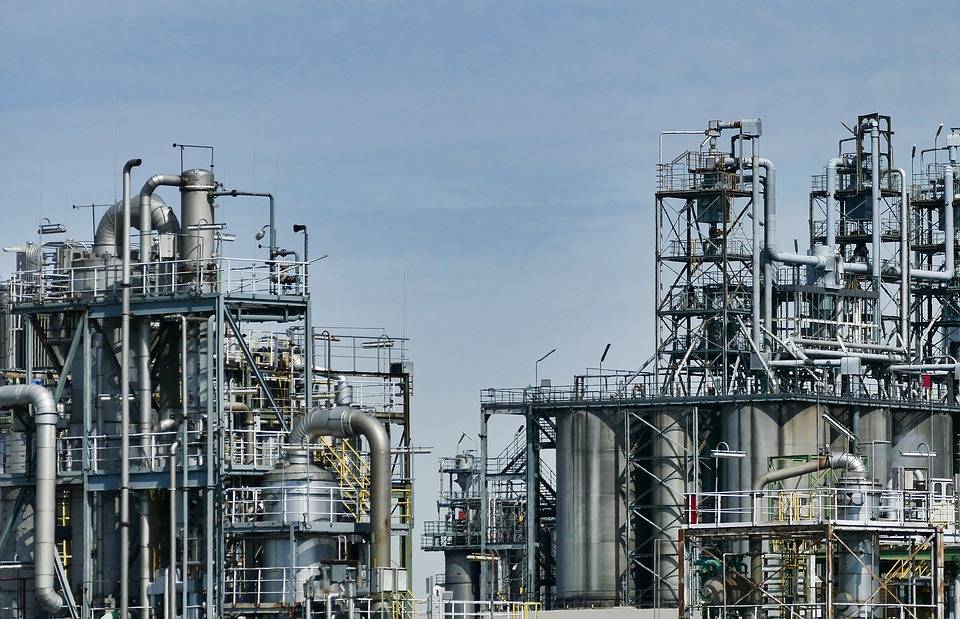
As one of the world's major power blocs, the 27-state group of the European Union has imposed sanctions on Russian oil imports, we look at reactions from economists and investment houses to the move.
This week, European Union leaders agreed to hit Russian crude oil
imports with an embargo – to take full effect by the
end of 2022. The sanctions are designed to stop 90 per cent of
Russia’s crude oil from being imported to the EU. However, there
are partial exemptions for Hungary and other Central European
states that rely on pipeline imports.
As well as trying to squeeze Russia as it continues to invade
Ukraine, the measures will add to the squeeze on European
consumers, already paying more for gas and oil. The skyrocketing
price of energy has become a major political and economic issue.
The impact of Russian sanctions also adds to the disruptions
linked with lockdowns to contain Covid-19, anti-C02 energy
policy, and a decade of central bank money printing.
Here are some thoughts about the EU’s actions on Europe and the
wider world.
Capital Economics
"We think that, at the margin, the EU’s embargo on Russian oil,
announced yesterday [Tuesday], adds to reasons to expect the
yields of long-dated government bonds to rise, equities to
struggle and commodity currencies to outperform over the rest of
this year.
EU countries agreed to an embargo on seaborne imports of oil and
petroleum products from Russia (roughly 90 per cent of the EU’s
total imports of those items are from Russia), with a temporary
exception only for some imports delivered via pipeline.
The price of Brent crude – which had already been rising over the
past few months as Western nations increasingly reduced imports
of Russian oil – has risen since the announcement and is now
trading at about $123 per barrel. Meanwhile, appetite for risk
generally seems to have soured in the wake of the announcement.
Equities – which had been rebounding over the past week or so –
are down by today, whereas the US dollar is strengthening.
We think it [the embargo] adds to the reasons to expect oil
prices to remain high over the rest of this year, even if they
may drop back a bit from recent highs. We think this has three
implications for the global economy and financial markets
generally.
First, we think inflation rates in major economies will remain
elevated for quite some time, even if they may fall back a bit
thanks to favourable base effects. We think that will embolden
central banks to press ahead with monetary tightening, which we
suspect will put renewed upward pressure on government bond
yields generally. We suspect that high inflation prints in the
euro-zone…may have contributed to the increase in both
expectations for interest rates and bond yields in the
region.
Second, we think further upward pressure on bond yields will
weigh on the valuations of equity markets, providing yet another
reason to suspect that equities will continue to struggle."
Centre for Economics and Business Research
(CEBR)
“Inflation in the eurozone increased even further to 8.1 per cent
in May, beating consensus expectations by 0.4 percentage points.
Again, energy proved to be the category which saw prices surge
the fastest, being up 39.2 per cent from May 2021. Food prices
also increased at concerning rates, with the shortfall of
agricultural exports from Ukraine threatening to worsen the
situation further. As the EU reached an agreement on new
sanctions targeting Russian oil supplies, energy prices may well
soar even faster in the coming months. These developments
continue to put pressure on the European Central Bank, which has
hinted towards its first rate rises in more than a decade being
possible in the summer months."
Schroders
"We have revised up our forecast for global inflation this year
to 6.4 per cent, from 4.8 per cent previously. Although we still
expect inflation to decline next year, it will probably do so
more slowly and we have revised up our forecast to 3.6 per cent
in 2023 from 2.8 per cent previously.
Within that, much of the upward revision comes from developed
markets. Incoming data suggest that inflation in the US peaked at
8.6 per cent in March. We expect it to trend lower in the
months ahead, but only to return to the Federal Reserve’s 2 per
cent target by the fourth quarter of 2023.
We expect the peak in inflation in the UK and euro area to be a
bit later, in Q2 and Q3 respectively. However, while we think
that inflation in the eurozone will fall back below 2 per cent in
the second half of next year, we expect UK inflation to remain
above target throughout 2023.
BlackRock Investment Institute
"Near-term risks appear skewed to the downside for growth and
risk assets: central banks talking tough on inflation, an ongoing
commodity price shock and China’s restrictive Covid lockdowns
adding to a weaker macro outlook. We believe the consequences of
these risks will be most deeply felt by markets over a tactical
horizon – and have reduced portfolio risk in recent weeks. But we
don’t think they matter yet for a strategic horizon of five years
and longer.
We maintain our view favouring developed market equities over
fixed income on a strategic horizon. This difficult market and
macro environment has brought into sharp focus the importance of
taking time horizons into account when arriving at investment
views."