


Banking Crisis
Departing SBA Chairman Warns On Balancing Swiss Capital Rules, Competition
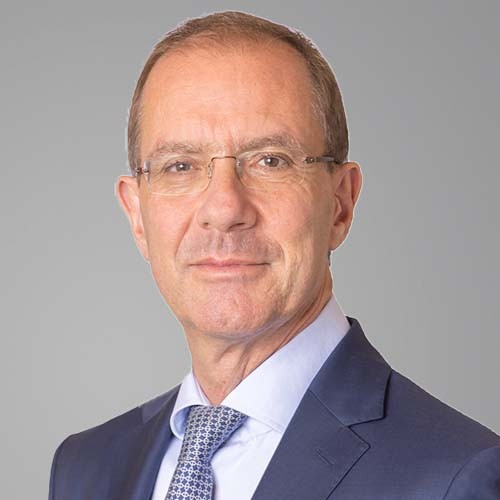
One of the big names in Swiss banking, who is standing down from the Alpine state's banking industry association, had comments about regulatory proposals that could affect his former employer, UBS.
A former UBS chief executive who was in the role when global markets crashed in 2008, and who is standing down as chairman of the Swiss Bankers Association, has warned that Swiss regulations must not put banking competitiveness behind financial stability.
Last week, Marcel Rohner referred indirectly to proposed new
Swiss capital rules that have put his former employer, UBS, on a
collision course with the Alpine state’s government.
“If legislators and regulators attach less importance to
competitiveness than to protecting investors, clients and the
stability of the financial system when defining the aims of
banking laws and regulations, this can therefore create
problems,” Rohner, addressing a Banker’s Day event in St Gallen,
said.
Rohner is, as previously
reported, standing down as SBA chair. The new chair is
Giorgio Pradelli, CEO of EFG International.
From 1998 to 2009, Rohner held various management functions at
UBS, and was CEO in the final three years of his career there, a
turbulent period for financial markets. Rohner has also been a
member of the board of directors of Union
Bancaire Privée in Geneva since 2010 and has been its
vice-chairman since 2016.
For a heavily regulated sector like the financial centre,
therefore, Rohner said he thinks legislation and regulation must
be aligned with international norms and keep barriers to market
entry low. He noted that protecting clients and safeguarding the
stability of the financial system are essential. However,
he insisted that competitiveness must also be a goal in its
own right, saying that successful regulation stems from
carefully weighing these interests against each other.
Possible rule changes
Swiss capital rule changes, if they become law, could mean that
UBS would have to hold billions of dollars more Common Equity
Tier 1 capital on a pro-forma basis, adding to CET1 changes it
has already communicated.
In August, lawmakers in Berne proposed a less severe
measure on UBS in which the bank would support its foreign
subsidiaries with 50 per cent in Common Equity Tier 1 capital,
which is far less than the government, which has sought a 100 per
cent backing, wanted.
For months, UBS, which is now Switzerland’s only universal bank,
has tussled with the government in Berne over proposals on how
much shock absorber capital it should be forced to hold. In March
2023, UBS bought Credit Suisse in an emergency deal at the Swiss
government’s request after Credit Suisse was hit by a string of
scandals and missteps. The takeover revived fears of creating a
banking empire that would be “too big to fail.”
Reviewing the experience of the Credit Suisse crisis, Rohner once
again highlighted the banks’ special responsibility towards
clients, society and their owners as part of a financial system
underpinned by the state.
“Intense competition, the ready availability of qualified
specialists and a professional ethics that we have internalised
and practise instinctively are the pillars of our future
development,” Rohner said.
Aggregate net income at banks in Switzerland rose 5.8 per cent
year-on-year to a record SFr73.8 billion ($91.5 billion) in 2025,
according to the Swiss Bankers Association's (SBA) annual Banking
Barometer, as
reported here.