


Trust Estate
Built To Evolve: Designing Trusts For Life Beyond The Founder

The most successful modern trusts, so this article argues, are those that adapt not just to property held but to the families for whom it is held.
The following article that looks at the durability of trusts and how they can be adjusted and protected for future eventualities, comes from Jennifer Ridgeway and Charlotte Fraser (both pictured below) of law firm Farrer & Co. These are complex issues and we are grateful to be able to share these detailed insights. The usual editorial disclaimers apply to views of guest writers. To comment, please email tom.burroughes@wealthbriefing.com and amanda.cheesely@clearviewpublishing.com
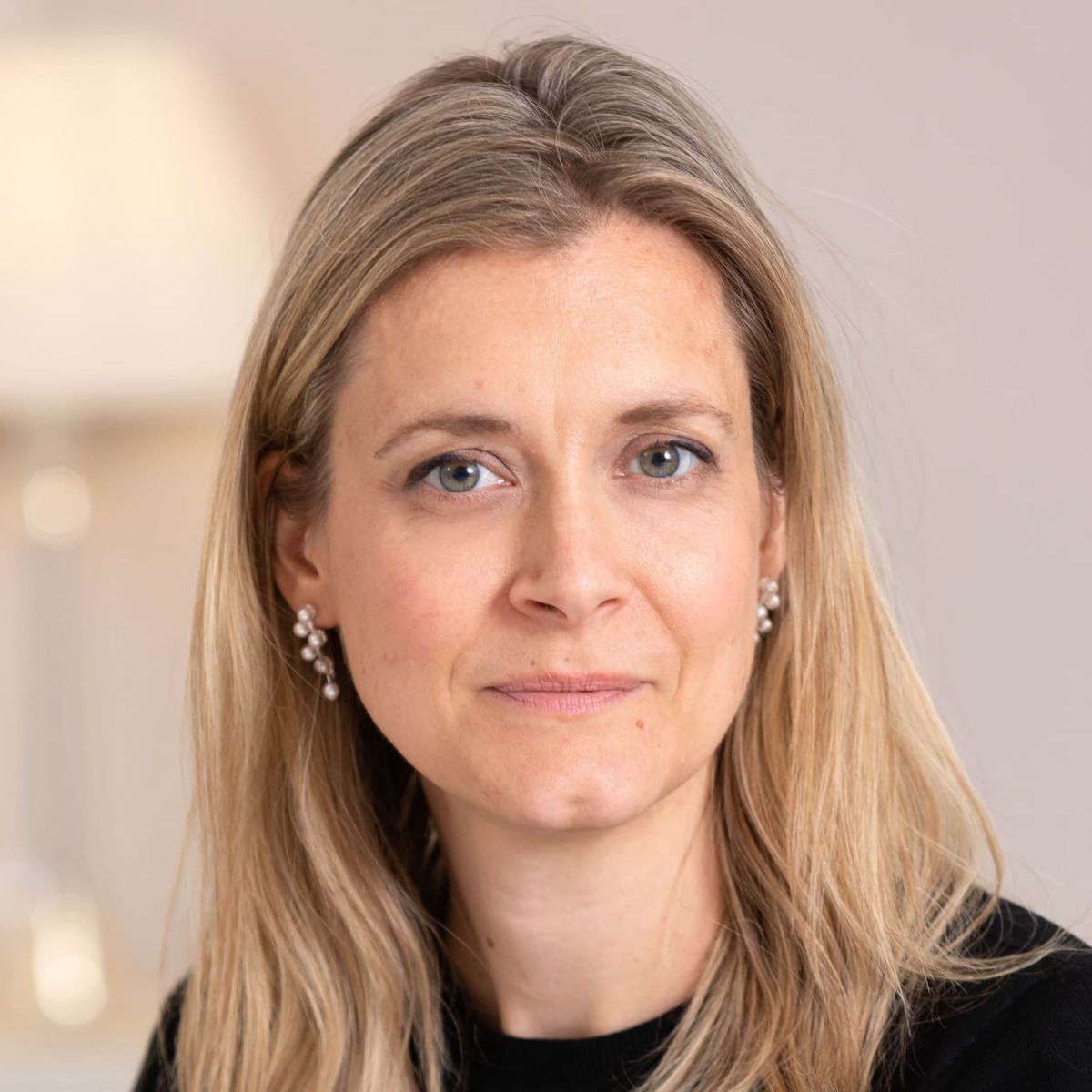
Jennifer Ridgeway
.jpg)
Charlotte Fraser
The trust is one of English law’s most enduring and adaptable
creations. At its simplest, it separates legal ownership, held by
trustees, from beneficial ownership, enjoyed by beneficiaries.
Its historical roots lie in arrangements for managing land during
an owner’s absence, but over the centuries it has developed into
a sophisticated mechanism for holding and managing wealth across
generations.
The property entrusted to trustees has evolved considerably.
Early trusts held land, grain, wine or livestock. As financial
markets developed, trust portfolios came to include bank
accounts, stocks, shares, bonds and other financial instruments.
Recently, following rapid technological advancements, a digital
asset class has emerged, including for example crypto-tokens,
non-fungible tokens, stablecoins, security tokens, and so on.
Trust law continues to strive to accommodate each new form
of wealth.
Just as the trust has evolved to accommodate evolving asset
classes, it needs to be able to evolve with the family it serves.
During its lifetime, the assets, the family and the purpose for
which the wealth is held may all change. Effective planning
therefore requires not only a sound legal structure, but an
architecture capable of functioning after the authority and
influence of the wealth founder has fallen away.
Building trusts: balancing control and
flexibility
Wealth creators have long used trusts in lifetime and in their
wills to preserve wealth, provide for a surviving spouse or
partner and regulate how later generations benefit. The
appropriate structure will depend upon the assets and family
concerned. The more difficult question is often not who should
benefit, but where responsibility for future decisions should
sit.
A trust may continue for decades. Choices made at the outset
about trustee appointment, investment powers and the involvement
of family members or protectors can therefore have consequences
well beyond the founder’s lifetime.
The power to appoint and remove trustees may provide valuable
continuity, but it requires an effective succession mechanism. A
protector can act as a constitutional safeguard, perhaps
overseeing changes in trusteeship or fundamental alterations to
the structure. Broad approval rights over distributions,
investments and reorganisations, however, may blur the division
of responsibility and inhibit trustees from developing
independent relationships with beneficiaries.
Investment provisions require similar care, particularly where
family wealth is concentrated in a business or estate. A founder
who created wealth through entrepreneurial risk may have a
different risk profile from the trustees, who will be responsible
for a widening beneficial class and will need to consider
preservation, liquidity and diversification. The trust should
accommodate that tension rather than assume one investment
philosophy will remain appropriate indefinitely.
The objective is not maximum flexibility. It is to preserve the
purposes that matter while ensuring that trustees retain
sufficient room to respond responsibly to circumstances the
founder cannot foresee.
Keeping pace with the family
Adaptability also depends upon the identity and expectations of
the beneficiaries. Traditional expressions such as “children”,
“issue” and “descendants” may not include everyone who the family
assumes they cover. Stepchildren and children born through
surrogacy or assisted reproduction may sit uneasily with older
definitions. Cultural norms will change over time, as noted in In
the Representation of Zedra Trust Company (Suisse) SA re C and D
Trusts (2023) in which it was recognised that trust provisions
which once upon a time may have been “consistent with the
Settlor's cultural heritage” may no longer be appropriate given
the “culture, values and lifestyle of the current
beneficiaries.”
New instruments should address these possibilities expressly.
Existing trusts should be reviewed as the family develops, not
only to establish who falls within the beneficial class, but to
consider whether the trust still serves its original purpose.
A founder may expect descendants to continue holding wealth
collectively, retaining a family business and using common
trustees and advisors. Later generations may want greater
autonomy and have different investment, philanthropic or personal
priorities. Where appropriate, trust terms should permit separate
funds to be established for different family branches. A planned
reorganisation is usually more effective than one undertaken
after disagreement has become entrenched.
Flexibility should therefore extend beyond the drafting of the
beneficial class. It should allow the trust’s administration and
asset-holding arrangements to develop as relationships and family
branches evolve.
Governance beyond the founder
Good governance connects the original plan with the circumstances
in which trustees must later implement it. During the founder’s
lifetime, trustees will have a full understanding of the
founder's wishes. But there is an important distinction between
understanding the founder’s wishes and simply following
instructions.
That distinction becomes obscured if decisions are effectively
settled before trustee meetings, or trustee records describe the
founder’s preferences without demonstrating independent
consideration. Many later disputes concern whether trustees
genuinely exercised their discretion.
Letters of wishes can provide valuable guidance but should be
reviewed periodically. Excessive prescription may constrain
future decision-making, while years of informal communications
may leave trustees with several competing versions of what the
founder intended. A separate, plain-English governance document
can help family members understand the trust’s purpose, the roles
of trustees and any protector, and how information and
significant decisions will be managed.
The founder’s death or declining involvement is often the real
test. A patriarch or matriarch may previously have acted as
decision-maker, mediator, family historian and source of
authority. Trustees should then consider whether preserving the
existing arrangements remains the best means of preserving the
founder’s broader objectives.
Trusts do not invariably prevent disagreement. Sometimes they
defer it until the person who held the family together is no
longer present. Good governance reduces that risk through clear
roles, careful succession planning, meaningful engagement with
the next generation and a shared understanding that preserving a
family’s wealth may sometimes require the structure itself to
change.
The trust has endured because it is adaptable. The most
successful modern trusts apply that adaptability not only to the
property they hold, but also to the families for whom it is
held.