


Strategy
As Middle East HNW Wealth Goals Shift, Arab Bank Switzerland Adapts, Says Executive
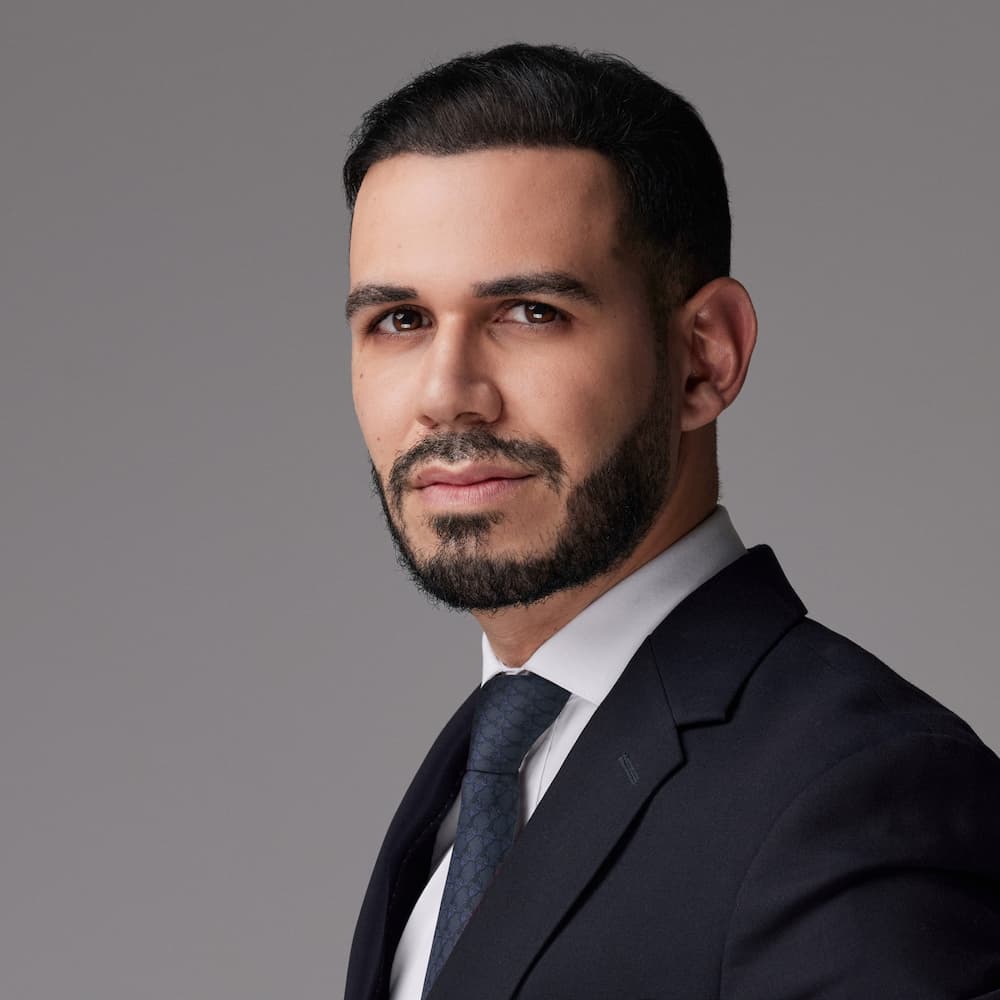
We talked to the head of a new operation of Arab Bank Switzerland – ABS (Middle East) Limited – about the rationale for its launch, the business case and what clients want.
A shift in the way Middle East-based high net worth and
ultra-HNW individuals view wealth and the advisory services they
need has played a part in why Arab Bank Switzerland recently
launched ABS (Middle East) Limited. The new operation is
based in the Dubai International Financial Centre
(DIFC).
“10 years ago, most clients in the region were looking to
preserve their wealth and they were looking at cash and real
estate. Over the last 10 years, a big shift happened – people
asked `How can I grow my wealth and how can I transfer it?’ That
is why our expertise as a client is very interesting for
clients,” Samir Atitallah (main picture), CEO of ABS (Middle
East) Ltd, told this publication in a recent interview.
“The trend in the Middle East is very impressive – the growth of
the whole financial ecosystem. Demands of Middle East clients are
becoming more sophisticated,” he said.
A rising tide is lifting a lot of boats: The EY GCC Wealth
Management Industry Report 2025 said that more than 200,000
individuals in the GCC meet the criteria for HNW status, with
investable assets ranging from $2 million at the bottom of this
band up to hundreds of millions of dollars in the UHNW segment.
GCC wealth management is enjoying faster growth in assets under
management than any other region in the world, with a compound
annual growth rate of 8 per cent expected to continue until
2028.
Atitallah noted a recent study showing that in the Middle East,
wealthy individuals typically hold about 15 per cent of total
assets in property, which is ahead of the global average of
around 10 per cent, but the gap is not particularly large or as
wide as a decade or more ago. There is more interest in areas
such as private equity and credit, as well as digital assets, he
said.
WealthBriefing had to ask Atitallah whether his business
has been affected by the upsurge in geopolitical instability in
the Gulf this year and what the outlook was for the medium
term.
“Middle Eastern clients are looking to diversify in terms of
jurisdictions and assets,” he said. “I don’t see any impact from
clients from how investors are investing in the region. It has,
though, accelerated some planned decisions.”
The Middle East-Switzerland corridor is a significant one, and it
dates back decades. With a name such as Arab Bank Switzerland, it
is clear that this is a firm focused on the synergies between the
Gulf and the Alpine state. Arab Bank Switzerland was established
in 1962, bulking up acquisitions such as that of Swiss bank Gonet
in 2022. Today, ABS Group has almost $25 billion in AuM.
Atitallah, who said he has 15 years’ experience in private
banking, previously worked for almost four years at Mirabaud
in Dubai. Before that, he was chief of staff to the CEO at
Piaget, the luxury watch brand, based in Geneva. Prior to Piaget,
he was a project leader on organisation and strategy for Pictet
Group, in Geneva. With a background in computer science, he also
worked as a senior consultant, EMEIA financial services advisory,
at EY.
Drawing on his banking and luxury sector career, Atitallah said
his experience of working in sectors with a high premium on
service quality, precision and clients'
needs has equipped him for this new role.
The Middle East-Switzerland dynamic harnesses the wealth creation
of the ME and the banking “savoir faire” of Switzerland, he
added.