


WM Market Reports
ANALYSIS: Asia’s Life Insurers Flex Wealth Management Muscles
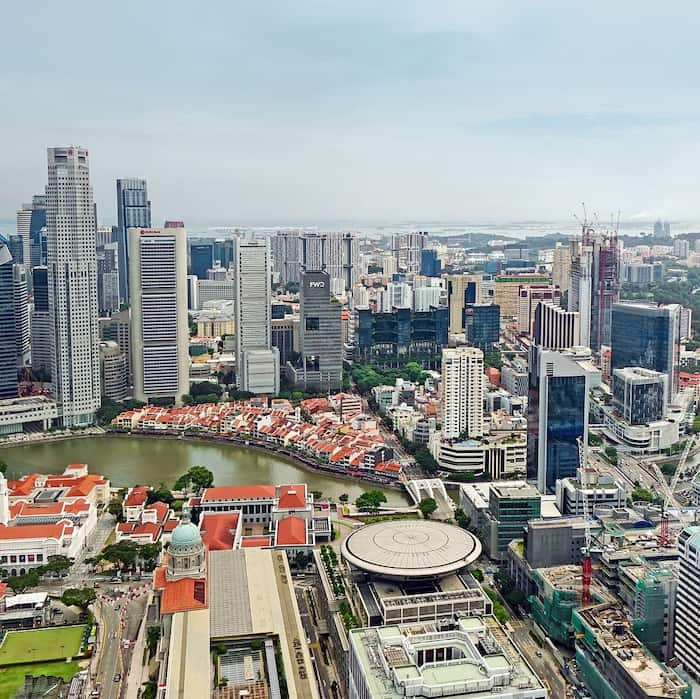
This news service takes a look at Singapore's life insurance market and the views, activities and strategies that come into the wealth management space. Here is the first in a series.
(This is the first in a series of articles and interviews with life insurance firms in Singapore about their place in the wealth sector, longevity, estate planning, cross-border flexibility and more.)
There is something of a build-out going on among life insurers in Asia over the business of serving affluent and high net worth (HNW) clients.
Businesses such as Singlife, Sun Life and Manulife are significant players who are eager to explain that insurance should sit within wealth management. They are making hires and issuing a flurry of research and other reports around the space.
To illustrate the trend, Sun Life Private Wealth recently announced that it had made three senior appointments for its business in Singapore and Bermuda. Alvin Soh was named CEO, Sun Life Private Wealth Singapore, and Liem Phan was appointed chief product officer, also in Singapore. (In Bermuda, Georgina Howes joined as CEO and country manager.)
Singlife, which as its name suggests is based in the Asian city-state, recently launched Singlife Heritage Reserve. This is a participating whole-of-life insurance plan that offers potential for long-term growth through non-guaranteed bonuses. Manulife Singapore, part of Canada-headquartered Manulife, launched two indexed universal life products in August, Manulife Indexed Wealth and Manulife Indexed Income, both denominated in Singapore dollars.
Other names in the market include HSBC Life Singapore. In May, it launched HSBC Life Prestige Circle, adding health, longevity and concierge services for HNW and ultra high net worth (UHNW) clients. AIA and Prudential have offerings in the Singapore market for wealthy clients. In May, Prudential Singapore announced that from 2027 customers will be able to access wealth accumulation products such as unit trusts through its tied-agency financial representatives. Great Eastern, which has a history in Southeast Asia going back to 1908, unveiled Great Eastern Private in early March, a segment proposition created for HNW individuals and families across Asia.
Besides the product launches and hires, it is hard to ignore the background hum of the narrative about the multi-trillion-dollar intergenerational wealth transfer. Rising longevity, a positive trend in some ways, also calls for the kind of risk management understanding that should be second nature to insurers. Rising lifespans and healthspans will shape asset allocation, for example. If people think they will live 10 or 20 years longer than previously expected, they need to rethink how they put money to work, or indeed when they should stop working.
Insurance firms are riding a rising APAC wealth wave. According to Boston Consulting Group in November last year, private wealth in the region is projected to reach $99 trillion by 2029. This is already prompting banks to increase private banking and wealth management headcount, as reported here.
Insurance breaks away from old forms
“These clients are using insurance for purposes beyond
protection, including business continuity, succession planning,
as well as estate equalisation for fair and prompt asset
distribution,” Steven Ong (pictured below), managing director,
High Net Worth, Singlife, told WealthBriefingAsia in an
interview.
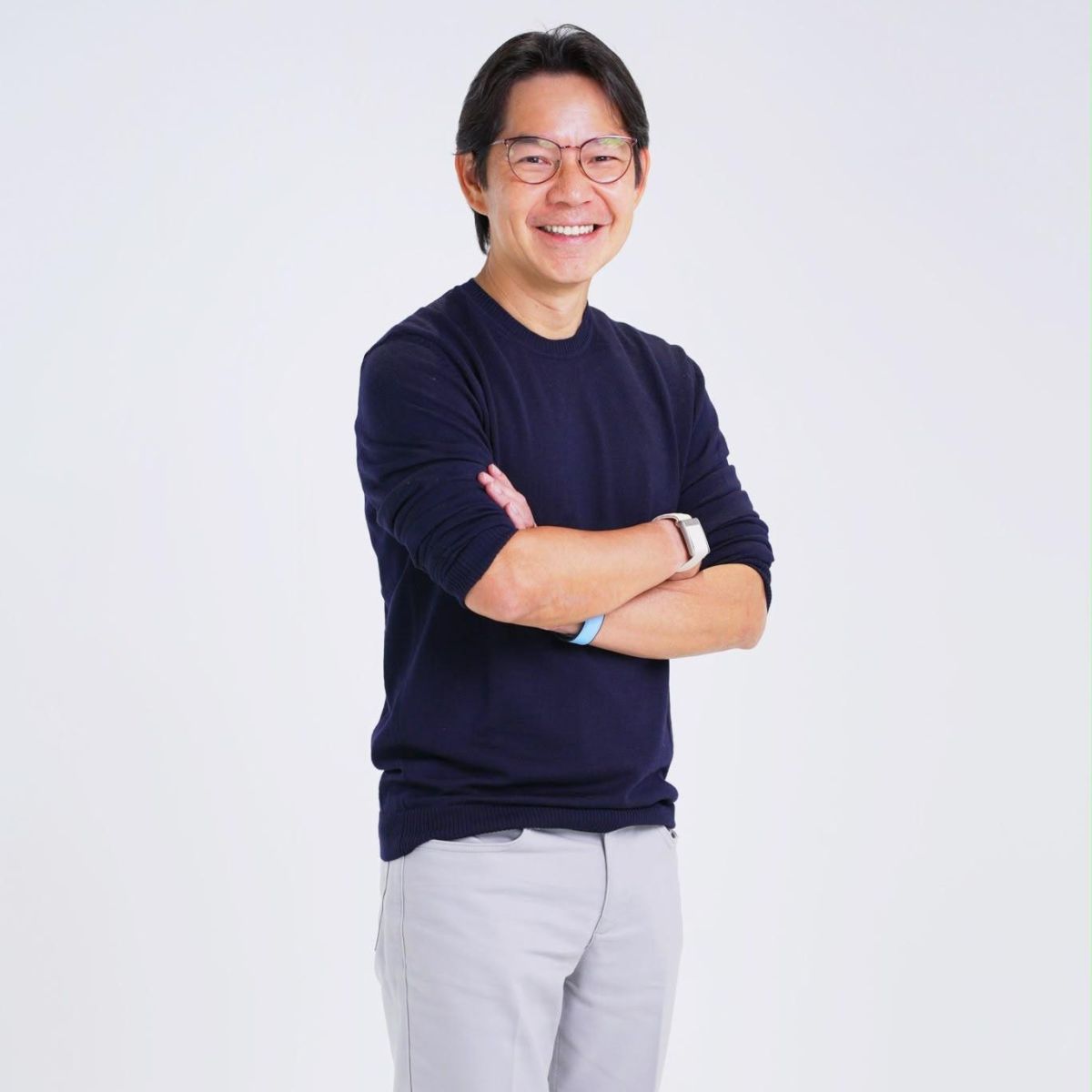
Steven Ong
“There is also rising demand for products that offer clients more
control and flexibility over how wealth is preserved and
transferred across generations. Insurers are responding with
solutions that support different affluent and HNW priorities
across the wealth journey, from accumulation to transfer.”
The role that insurance policies can play in the wealth conversation isn’t as well understood as it should be, Ong said.
“We believe there is a significant education gap when it comes to the potential for life insurance structures to address the needs of wealthy individuals, such as succession planning and liquidity. Traditionally, life insurance has been viewed primarily as a protection solution,” Ong said. “However, increasingly savvy families are using it as part of a broader wealth planning toolkit to help address liquidity, estate equalisation, business succession and wealth transfer objectives.”
Generational focus
Businesses are keen to flex their thought leadership muscles to
highlight the opportunities in the affluent and HNW space.
For example, Sun Life Asia recently issued Passing the Torch: When legacy means more than money. The report found a significant shift in the way people across Asia think about the legacy they want to leave behind. Nearly three-quarters (74 per cent) of those surveyed intend to pass on values, knowledge or life lessons as part of their legacy plan alongside financial assets. At the same time, 70 per cent fear that their wealth may not be preserved beyond the next generation, and only 20 per cent say they feel fully prepared to pass on their legacy today. (See another survey by Sun Life about related matters here.)
Manulife, for its part, recently issued its Asia Care Survey 2026, which highlighted, among other topics, the risk that advances in medical care will leave Asia’s affluent facing exorbitant costs that could reduce what is available to pass down to succeeding generations. (To some extent, this is a global, not just an Asian, phenomenon.)
“Gaps” or disconnections are often remarked on in such surveys. Bonnie Qiu (pictured below), chief executive for global HNW and chief partnership officer, Asia, at Manulife, picked up on this point. “What I found even more striking is the disconnect between aspiration and preparedness. Our New Fluidity research shows that HNW individuals are living longer, more mobile and increasingly multi-phase lives, yet only 17 per cent have a fully-integrated wealth plan covering investments, tax, succession, legal considerations and family governance.”
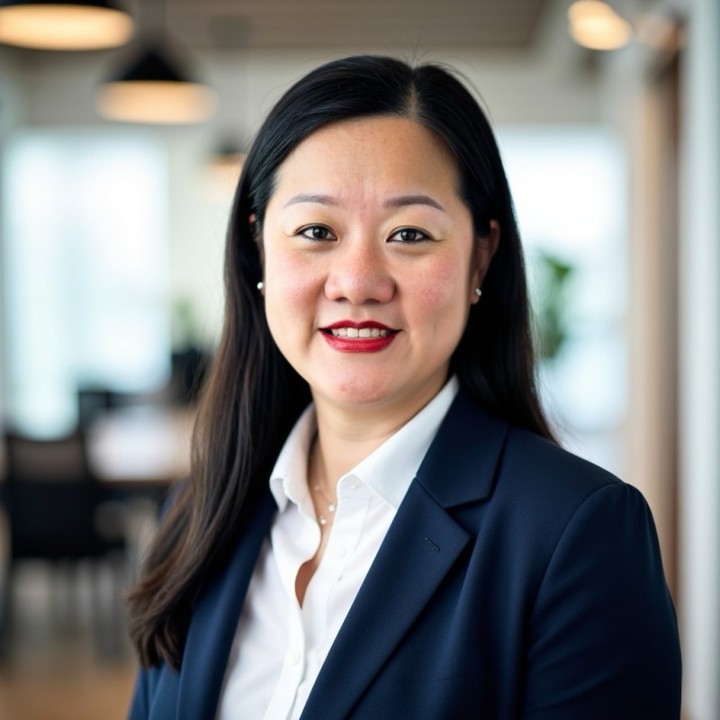
Bonnie Qiu
As with all such surveys, the unspoken punchline is that these “gaps,” or this lack of preparedness, play to the strengths of these insurance firms, but they also require advisors to become better educated about the sector.
Singlife’s Ong warmed to the education and training theme.
“We focus on equipping our advisor and distribution partners through training, thought leadership and client engagement. Products are increasingly a delivery mechanism for advice, not a standalone sale,” he said.
Cross-border
Another part of the case for life insurance structures, according
to their advocates, is how cross-border they can be. That is an
important consideration for many HNW families who live
international lives. Boston Consulting Group
has noted, for example, that Singapore is the world’s
third-largest cross-border financial centre, behind Hong Kong and
Switzerland in first and second place, respectively.
“Life insurance plans for HNW individuals are increasingly designed to support the growing trend of ‘cross-border’ families and lifestyles, where family members may live in different countries, while their country of residence may not always be where their businesses generate income, nor where their children reside,” Ong said. “Under these circumstances, flexibility and long-term legacy planning are crucial.”
The healthspan is what counts
Manulife’s Qiu said the “healthspan” issue is an increasingly
important one for insurers and wealth advisors to understand. Old
assumptions must be updated.
“People increasingly expect to remain active, productive and financially engaged for much longer, and that is fundamentally changing how wealth needs to work,” she said.
“Traditionally, wealth planning was built around a relatively linear journey of accumulation, retirement and wealth transfer. Today, that model is becoming less relevant. Our New Fluidity research found that only 35 per cent of HNW individuals plan to retire at or before the traditional retirement age.
“Many are instead embracing what we call ‘portfolio lives’, dividing their time, energy and capital across multiple pursuits, whether through entrepreneurship, investing, philanthropy, advisory work or family leadership. Retirement is increasingly being redefined as an extended stage of productivity rather than a traditional endpoint.
“This shift has important implications for investment strategy. Rather than supporting a single retirement phase, wealth now needs to support multiple chapters of life, each with different income, liquidity, protection and legacy requirements. That calls for an appropriate balance of long-term growth, sustainable income, downside resilience and accessible liquidity,” Qiu said.
More to live for, and mobility
considerations
Qiu said there are clear investment and work implications of
longer, healthier lives.
“Rather than focusing solely on maximising returns, investors increasingly need portfolios that can deliver growth, generate sustainable income, provide downside resilience and preserve access to capital when it is needed,” she said.
Mobility is also an important factor, Qiu said. Manulife research has found that 52 per cent of affluent individuals surveyed across Asia hold assets or residency in multiple jurisdictions, and 65 per cent are drawing up contingency plans for geopolitical, regulatory and tax uncertainty.