


New Products
Singapore's WRISE Targets Mass-Affluent Opportunity
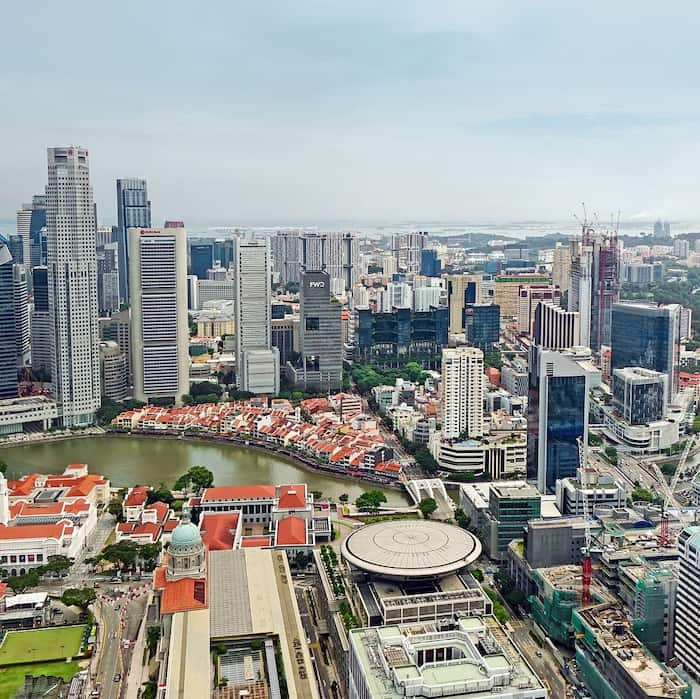
Targeting the mass-affluent segment also chimes with comments that this client area is under-served by wealth management.
Singapore-headquartered WRISE Group, which
recently set up
operations in Dubai, has announced the launch of a business
unit targeting the mass-affluent market.
WRISE Prestige focuses on clients with a minimum investment
threshold of $500,000.
The firm said the mass-affluent market in Southeast Asia offers
considerable potential and is expected to rise to 136 million by
2030. In tandem, China's mass-affluent households are forecasted
to witness a rise to 162 million by 2030.
The new offering, which will launch in Hong Kong first,
will offer clients opportunities for direct investments.
Product offerings will also include global securities, structured
products, mutual funds and fixed income.
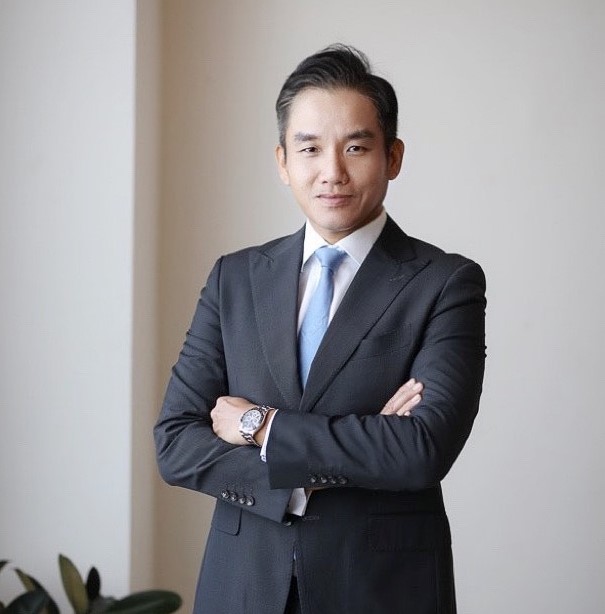
"Over the past few years, we have been seeing stronger demand and
increasing sophistication of wealth management solutions of
clients in Asia, particularly as the region's rising affluence
has vastly expanded the investment opportunities for the mass
affluent," Derrick Tan (pictured), group executive chairman of
WRISE, said.
The new unit’s leaders include Stephen Yan, chairman of WRISE
Prestige, who will oversee strategic business plans and
activities, and Jowin Fung, vice chairman and CEO of WRISE
Prestige, who will lead the day-to-day operations.
The firm will also rebrand its existing WRISE Wealth Management
services for UHNW individuals to WRISE Private across Singapore,
Hong Kong and Dubai.
Targeting the mass-affluent segment also chimes with comments –
such as
published here in WealthBriefingAsia – that
this client area is under-served by wealth management today. This
news service has been talking to firms about why this remains an
opportunity, not just in Asia, but also the UK, continental
Europe, and others. To some extent, this relates to the challenge
of delivering customised service on a large scale and in
profitable ways – suggesting that technology has a big part to
play. This publication has been told by private banks that they
find the mass-affluent segment difficult to serve well and
profitably.